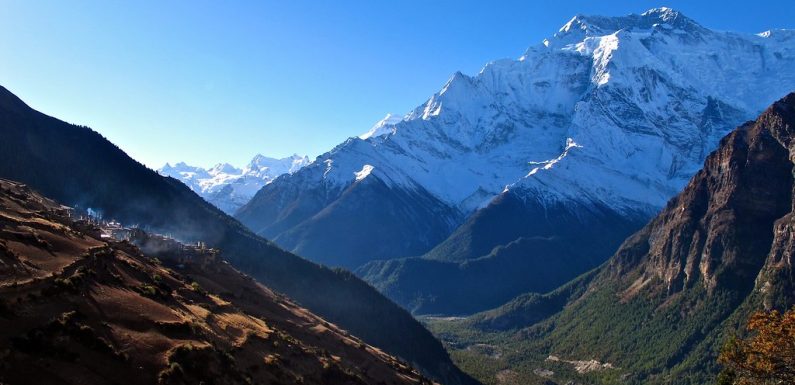
Annapurna Circuit Trek has recently been cleared of snow, making it an ideal time for adventurers to explore this stunning route. With improved conditions, trekkers can now safely enjoy the breathtaking landscapes and cultural experiences along the way.
Overview of the Annapurna Circuit
The Annapurna Circuit Trek is one of the most celebrated trekking routes in the world, offering a spectacular blend of natural beauty, cultural richness, and adventure. This trek takes you through diverse landscapes, ranging from lush subtropical forests to high-altitude deserts, showcasing the majestic Annapurna mountain range.
The journey typically begins in the picturesque village of Besisahar and winds its way around the Annapurna massif, culminating in the stunning Thorong La Pass, which stands at an altitude of 5,416 meters (17,769 feet). Trekkers can expect to experience a variety of terrains and climates, making it essential to be well-prepared for the shifting conditions.
Along the route, you’ll encounter vibrant local cultures, ancient monasteries, and breathtaking views that make every step worthwhile. The trek usually takes around 15 to 20 days, depending on the chosen itinerary and pace. With recent news of the trekking route being cleared of snow, now is an excellent time for adventurers to explore this remarkable journey.
- Diverse landscapes
- Cultural encounters
- Varied climatic conditions
Safety Updates for Trekkers
As the trekking season approaches, recent updates on the Annapurna Circuit Trek indicate that the trekking route has been successfully cleared of snow, making it safer for adventurers. Trekkers are encouraged to stay informed about the latest weather conditions and trail status.
Here are some essential safety tips for those planning to embark on the Annapurna Circuit Trek:
- Acclimatization: Take the time to acclimatize properly to avoid altitude sickness. Aim for gradual elevation gain and listen to your body.
- Stay Hydrated: Drink plenty of water to keep hydrated. Dehydration can exacerbate altitude sickness symptoms.
- Travel with a Guide: Consider hiring a local guide who is familiar with the terrain. They can provide valuable insights and assistance.
- Check Gear: Ensure your trekking gear is appropriate and in good condition. Proper footwear is essential for navigating the diverse landscapes.
- Emergency Preparedness: Carry a basic first aid kit and familiarize yourself with emergency contacts in the area.
By following these guidelines, trekkers can enjoy a safer and more rewarding experience on the Annapurna Circuit Trek.
What to Expect on Your Trek
The Annapurna Circuit Trek offers an unforgettable experience for adventurers seeking breathtaking views and cultural immersion. As you embark on this journey, here are some key aspects to expect:
- Stunning Landscapes: Prepare to be amazed by the diversity of scenery, ranging from lush green valleys to high mountain passes. The iconic Annapurna massif will be a constant companion.
- Cultural Encounters: Engage with the local Gurung and Thakali communities, known for their warm hospitality. Visit traditional villages and experience their unique customs and cuisine.
- Varied Terrain: The trek will take you through a mix of terrains, including rocky paths, lush forests, and alpine meadows. Be ready for some challenging sections, especially at higher altitudes.
- Wildlife Sightings: Keep your eyes peeled for local wildlife, including the elusive snow leopard and various bird species, adding an exciting dimension to your trek.
- Climate Variability: Weather conditions can change rapidly, so be prepared for both sunny days and unexpected rain or snow, especially at higher elevations.
Overall, the Annapurna Circuit Trek promises a blend of adventure, beauty, and cultural richness that will leave lasting memories.
Best Time to Visit Annapurna Circuit
The Annapurna Circuit Trek offers a stunning experience throughout the year, but the best time to embark on this adventure largely depends on your preferences and weather conditions. Generally, the ideal seasons to visit are:
- Spring (March to May): This season presents mild temperatures and blooming flora, making it a picturesque time for trekkers. You can expect clear skies and pleasant weather, perfect for enjoying the breathtaking views.
- Autumn (September to November): Another prime season, autumn features stable weather and spectacular mountain vistas. The post-monsoon landscape is vibrant, and the trails are less crowded than in spring.
While these seasons are popular, trekking during the monsoon (June to August) can be challenging due to rain and potential landslides. However, some adventurous souls still opt for the trek during this time to experience the lush scenery.
Winter (December to February) can also be an option for those seeking solitude, but be prepared for cold temperatures and possible snow on the trails.
By Simon le nippon via Openverse
Sources
Related stories
Mumbai Airport Redevelopment: Is It Worth the Wait? · Air India Express flights: Best Proven Winter Schedule · Manas National Park: The Best Safari Experience Awaits