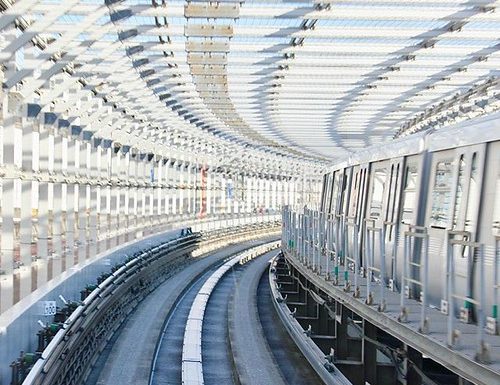
The automated transit system is set to transform Delhi Airport by linking all terminals seamlessly. This Rs 3,500 crore project aims to improve passenger experience and efficiency.
Overview of the Automated Transit System
The introduction of an automated transit system at Delhi Airport represents a significant advancement in airport connectivity. With an investment of approximately Rs 3,500 crore, this system aims to seamlessly link all terminals, making travel more efficient for passengers. The initiative is part of a broader effort to enhance the airport’s infrastructure and improve the overall passenger experience.
This transit system is designed to provide rapid and reliable transportation options across the airport premises. Here are some key features:
- Speed: The automated transit system is expected to reduce travel time between terminals to just a few minutes.
- Convenience: Passengers will have easy access to the transit system, which will be operational 24/7, accommodating various flight schedules.
- Capacity: The system is designed to handle a high volume of passengers, ensuring that long wait times are minimized.
- Environmentally friendly: Utilizing electric vehicles, the system aims to reduce the carbon footprint associated with airport transportation.
As the demand for air travel continues to rise, an automated transit system could be a game-changer for Delhi Airport, addressing current logistical challenges while enhancing passenger satisfaction. Stakeholders are optimistic about the positive impact this initiative will have on both local and international travelers.
Benefits of the New System
The implementation of the automated transit system at Delhi Airport promises to bring a multitude of benefits for travelers and airport operations alike. This innovative solution is designed to streamline the movement between terminals, ensuring that passengers can transfer quickly and efficiently.
Some of the significant advantages of the new automated transit system include:
- Reduced Transfer Times: With the ability to transport passengers swiftly between terminals, the system aims to minimize waiting times and enhance overall travel efficiency.
- Increased Capacity: The automated transit system can handle a high volume of passengers simultaneously, accommodating the growing traffic at one of the busiest airports in India.
- Improved Accessibility: This system is designed to be user-friendly, ensuring that travelers with reduced mobility can navigate the airport with ease.
- Environmental Benefits: By utilizing electric-powered vehicles, the automated transit system is expected to reduce carbon emissions, contributing to a greener airport environment.
- Cost-Effectiveness: Although the project involves a significant investment, the long-term savings in operational costs and passenger satisfaction are likely to outweigh initial expenses.
Overall, the automated transit system is poised to enhance the travel experience, making it a compelling solution for the needs of Delhi Airport and its users.
How Will It Improve Passenger Experience?
The introduction of the automated transit system at Delhi Airport is expected to significantly enhance the overall passenger experience. With seamless connectivity between terminals, travelers will enjoy a more efficient and streamlined journey.
One of the primary improvements will be the reduction in transit time. Passengers will no longer need to navigate through crowded terminals or wait for shuttle buses. Instead, the automated transit system will provide a quick and consistent mode of transport, allowing travelers to move swiftly between terminals.
Additionally, the system is designed with user convenience in mind. Key features include:
- Accessibility: The automated transit system will cater to passengers with reduced mobility, ensuring that everyone can travel comfortably.
- Frequent Service: With trains operating at regular intervals, passengers will no longer have to worry about missing their connecting flights.
- Real-time Information: Digital displays will provide up-to-date information on wait times and schedules, making it easier for travelers to plan their journeys.
Moreover, the system will incorporate advanced technology, allowing for a smoother ride and reduced waiting times. The automated transit system aims to create a more pleasant environment, minimizing stress and enhancing the overall travel experience at one of the busiest airports in the country.
Timeline for Completion and Implementation
The timeline for the completion and implementation of the automated transit system at Delhi Airport has been a subject of considerable interest among stakeholders. The project, estimated to cost around Rs 3,500 crore, aims to create a seamless connection between all terminals, significantly enhancing passenger experience.
The initial phase of the project is set to commence in early 2024, with groundwork and infrastructure development expected to take about 18 months. According to airport authorities, the automated transit system will be operational by mid-2025. This timeline includes critical milestones such as:
- Project Approval: Secured by the end of 2023, allowing for procurement and planning.
- Construction Start: Expected to begin in January 2024, focusing on track layout and station design.
- Testing Phase: Scheduled for late 2024, ensuring all systems function optimally before launch.
- Operational Launch: Projected for June 2025, providing a much-anticipated service to passengers.
Once implemented, the automated transit system will not only improve connectivity but also reduce the time taken for terminal transfers. Airport officials emphasize that adherence to this timeline is crucial for realizing the full benefits of the new system.
By ivva via Openverse