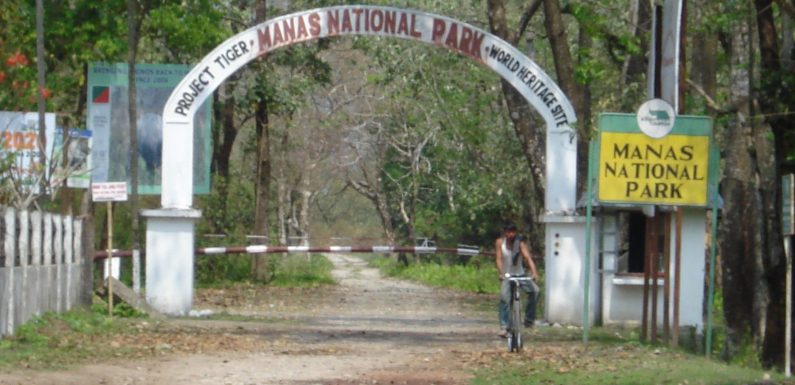
Manas National Park is a must-visit destination for wildlife enthusiasts. As it reopens for tourists, visitors can look forward to spotting rare animals during their safari adventures.
Overview of Manas National Park
Manas National Park, located in Assam, India, is a UNESCO World Heritage site renowned for its breathtaking landscapes and rich biodiversity. This picturesque park spans over 500 square kilometers and boasts a unique combination of forest, grassland, and riverine ecosystems.
The park is home to several rare and endangered species, making it a prime destination for wildlife enthusiasts. Among its notable inhabitants are the Bengal tiger, Indian rhinoceros, and the Asian elephant. Visitors often embark on thrilling safaris to witness these majestic creatures in their natural habitat.
In addition to its stunning wildlife, Manas National Park is also a sanctuary for various bird species, attracting ornithologists and bird watchers from around the globe. The park’s diverse flora includes several medicinal plants, contributing to its ecological significance.
With its reopening for tourists, adventure seekers and nature lovers can explore the beauty of Manas National Park once again. The park offers a unique chance to experience the wonders of nature while promoting conservation and awareness of wildlife preservation.
Best Time to Visit
The best time to visit Manas National Park is during the winter months, specifically from November to April. During this period, the weather is pleasant, making it ideal for wildlife viewing and exploring the stunning landscapes.
Tourists can expect the following advantages when visiting during these months:
- Wildlife Activity: Animals are more active in cooler temperatures, increasing the chances of spotting elusive species.
- Clear Skies: The winter months offer clearer skies, providing excellent visibility for photography and sightseeing.
- Fewer Tourists: Visiting during the off-peak months allows for a more intimate experience with nature, as the park is less crowded.
- Birdwatching Opportunities: The winter season attracts migratory birds, making it a paradise for birdwatchers.
It is advisable for visitors to plan ahead and book accommodations in advance, as the park can get busy during peak tourist seasons. The enchanting experience of exploring Manas National Park awaits those who choose to visit during this prime time.
Rare Animals to Spot
Manas National Park is renowned for its incredible biodiversity, offering visitors a chance to spot some of the rarest animals in the world. As tourists return to this UNESCO World Heritage Site, several unique species are must-see highlights during a safari.
- Indian Rhinoceros: Known for its distinctive single horn, the Indian rhinoceros is a symbol of conservation success and can often be spotted grazing in the grasslands.
- Bengal Tiger: The elusive Bengal tiger, famed for its power and grace, roams the dense forests, making it a thrilling sight for those lucky enough to catch a glimpse.
- Wild Water Buffalo: These majestic creatures can be seen wallowing in the wetlands, showcasing their impressive size and strength.
- Hoolock Gibbons: The only apes found in India, hoolock gibbons are known for their acrobatic skills and haunting calls that can be heard echoing through the trees.
- Golden Langur: With its striking golden fur, the golden langur is a rare primate that can often be spotted in the park’s forested areas.
Experiencing these rare animals in their natural habitat makes visiting Manas National Park an unforgettable adventure.
Safari Tips for Visitors
When planning your visit to Manas National Park, there are several tips to ensure you have the best safari experience possible. Here are some essential recommendations:
- Book in Advance: Given the popularity of Manas National Park, it’s wise to make your reservations ahead of time. This includes securing your safari permits and accommodations.
- Choose the Right Time: Early morning and late afternoon safaris often yield the best wildlife sightings. Animals are more active during these cooler parts of the day.
- Dress Appropriately: Wear comfortable clothing and sturdy footwear. Neutral colors help you blend into the environment, minimizing disturbances to wildlife.
- Bring Binoculars: To enhance your safari experience, bring a pair of binoculars for better wildlife viewing, especially for spotting rare animals from a distance.
- Stay Quiet: Maintaining silence during your safari is crucial. Loud noises can scare away animals, reducing your chances of sightings.
Following these tips will enhance your visit to Manas National Park, making it a memorable adventure.
Conservation Efforts in Manas
Conservation efforts in Manas National Park have been pivotal in restoring the park’s ecological balance and promoting biodiversity. This UNESCO World Heritage site is not only known for its breathtaking landscapes but also for its commitment to wildlife conservation.
Over the years, numerous initiatives have been implemented to protect endangered species and their habitats. Key programs include:
- Anti-Poaching Measures: Rangers and local communities work together to prevent poaching, ensuring the safety of animals such as the Indian rhinoceros and the Asian elephant.
- Habitat Restoration: Efforts to restore degraded areas within the park have led to the rejuvenation of native flora and fauna, enhancing the ecosystem’s resilience.
- Community Involvement: Engaging local communities in conservation efforts has created awareness and provided alternative livelihood options, reducing dependency on park resources.
- Research and Monitoring: Continuous research and monitoring of wildlife populations help in adapting conservation strategies to the changing environment.
These concerted efforts ensure that Manas National Park remains a sanctuary for wildlife and a remarkable destination for eco-tourists seeking unforgettable safari experiences.
Traveling to Assam
Traveling to Assam offers a unique opportunity to experience the breathtaking beauty of Manas National Park, a UNESCO World Heritage site renowned for its rich biodiversity. Accessible from Guwahati, the park is approximately 176 kilometers away and can be reached by car or public transport. The journey offers picturesque views of the lush green landscapes and winding rivers that characterize this enchanting region.
Visitors can choose from various accommodations nearby, ranging from budget-friendly lodges to luxurious resorts. Staying close to the park allows for easy access to safari tours and guided excursions. Once in the area, be sure to explore the local cuisine, which features a delightful mix of flavors and traditional dishes.
It is advisable to plan your trip in advance, especially during peak seasons, to ensure you get the best safari experience at Manas National Park. Local guides are available to enhance your experience, providing valuable insights into the flora and fauna that inhabit this magical destination. Remember to pack your essentials, including binoculars and a camera, to capture the stunning wildlife encounters that await you.
Visitor Experience and Reviews
Visitors to Manas National Park often describe their experience as nothing short of magical. With its lush landscapes and diverse wildlife, the park offers a unique opportunity for adventure seekers and nature enthusiasts alike. Many tourists have praised the knowledgeable guides who enhance the safari experience by sharing insights about the park’s ecology and its inhabitants.
Reviewers frequently highlight the thrill of spotting rare animals, such as the Indian rhinoceros and the pygmy hog, during their excursions. One visitor noted, “The moment we spotted a rhinoceros grazing by the riverbank was unforgettable. It truly felt like we were in a wildlife documentary!”
Moreover, many travelers appreciate the peaceful ambiance of the park, which sets it apart from more crowded destinations. Manas National Park has also received commendations for its well-maintained facilities, including comfortable accommodations and well-organized safari tours.
For those seeking a blend of adventure and tranquility, Manas National Park promises an enriching experience that leaves visitors in awe of nature’s beauty. The overall consensus is clear: a visit to this UNESCO World Heritage site is a must for any wildlife lover.
By Sougata Sinha Roy via Openverse
Sources
Free Press Journal · Manas National Park
Related stories
Annapurna Base Camp trekking: Safe Routes Reopen Now · Mumbai airport international departures: What’s the real impact? · E-visas for Indians: What Are the Best Options Available?