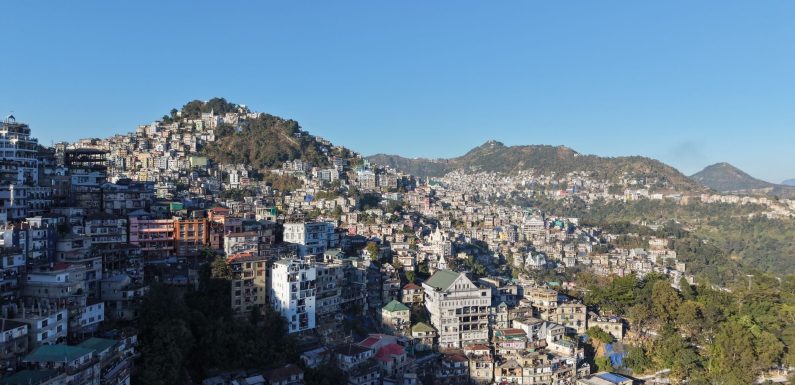
Mizoram tourism target is set to achieve 5-7% of GSDP by 2047, reflecting the state’s commitment to boosting its travel sector. This ambitious goal aims to enhance economic growth and promote sustainable tourism.
Overview of Mizoram’s tourism plans
Mizoram, a state known for its stunning landscapes and rich cultural heritage, has set ambitious tourism targets as part of its development plan. The government aims to increase the contribution of tourism to the state’s Gross State Domestic Product (GSDP) to between 5% and 7% by 2047. This initiative is seen as a vital component of Mizoram’s overall economic strategy.
The tourism sector is expected to play a crucial role in enhancing the state’s economy and providing employment opportunities. In order to achieve this goal, the state plans to focus on several key areas:
- Infrastructure Development: Improving roads, transport facilities, and hospitality services to attract more visitors.
- Promotion of Local Culture: Highlighting Mizoram’s unique traditions, festivals, and crafts to enhance tourist experience.
- Sustainable Tourism Practices: Ensuring that tourism development is environmentally sustainable and benefits local communities.
By aligning these efforts with the broader vision for 2047, Mizoram aims to establish itself as a premier tourist destination in Northeast India. The tourism target is seen as a pathway to economic resilience and cultural preservation, benefiting both locals and visitors alike.
Economic implications of tourism growth
The economic implications of tourism growth in Mizoram are significant, particularly as the state sets an ambitious tourism target of 5–7% of GSDP by 2047. With this goal in sight, various sectors within the local economy stand to benefit considerably.
First and foremost, increased tourism is likely to create a surge in job opportunities. This growth can lead to employment in various fields, including:
- Hospitality and accommodation services
- Travel and tour operations
- Local artisans and crafts
Moreover, as visitors flock to experience Mizoram’s unique culture and breathtaking landscapes, the demand for infrastructure improvements will rise. Investments in roads, transportation, and public amenities will not only enhance the tourist experience but also improve the quality of life for local residents.
However, balancing economic growth with sustainability is crucial. As Mizoram aims to achieve its tourism target, it must ensure that the environmental and cultural integrity of the region is preserved. This calls for careful planning and community involvement to ensure that tourism development is both beneficial and sustainable.
In conclusion, while the Mizoram tourism target presents promising economic opportunities, it also requires a thoughtful approach to ensure lasting benefits for all stakeholders involved.
Sustainable tourism initiatives in Mizoram
Mizoram is increasingly focusing on sustainable tourism initiatives as part of its broader plan to enhance tourism’s contribution to the state’s economy. The state government has outlined a vision to make tourism a vital sector, aiming for it to account for 5–7% of the Gross State Domestic Product (GSDP) by 2047. This ambitious goal emphasizes the importance of integrating sustainability into the tourism framework.
To achieve this target, several initiatives are being implemented:
- Community-based tourism: Encouraging local communities to participate in tourism activities helps preserve cultural heritage while providing economic benefits.
- Eco-friendly accommodations: Promoting lodges and hotels that utilize renewable energy and sustainable practices attracts environmentally conscious travelers.
- Conservation efforts: Protecting Mizoram’s rich biodiversity and natural landscapes is crucial for attracting tourists interested in nature and adventure.
- Promotion of local culture: Highlighting traditional festivals and crafts provides visitors with authentic experiences while supporting local artisans.
Through these initiatives, Mizoram aims to strike a balance between economic growth and environmental preservation, ensuring that its tourism target is not only achievable but also sustainable in the long run.
Challenges facing Mizoram’s travel sector
The ambitious Mizoram tourism target aims to significantly enhance the state’s contribution to its Gross State Domestic Product (GSDP) by 2047. However, this vision encounters several challenges that could hinder its realization.
- Infrastructure Development: The lack of adequate infrastructure, including roads, transportation, and hospitality services, poses a significant barrier. These elements are crucial to attract both domestic and international tourists.
- Marketing and Promotion: Insufficient marketing strategies may lead to limited awareness of Mizoram as a travel destination. A robust promotional campaign is essential to showcase the unique cultural and natural attractions of the region.
- Environmental Concerns: With an increase in tourism, there is a risk of environmental degradation. Sustainable practices must be integrated into tourism development to preserve Mizoram’s rich biodiversity.
- Local Community Involvement: Ensuring that local communities benefit from tourism is critical. Without their engagement and support, the tourism target may face resistance and fail to deliver economic advantages.
- Seasonal Fluctuations: Tourism in Mizoram often experiences seasonal peaks and troughs, making consistent revenue generation a challenge. Developing year-round attractions can mitigate this issue.
Addressing these challenges will be vital for the success of the Mizoram tourism target and the broader economic growth of the state.
Comparative analysis with other states
The Mizoram tourism target of achieving 5–7% of the Gross State Domestic Product (GSDP) by 2047 raises important questions when compared to the tourism strategies of other Indian states. Himachal Pradesh, for instance, has long been a leader in mountain tourism, generating significant revenue through adventure sports, eco-tourism, and cultural experiences. The state has successfully harnessed its natural beauty, attracting millions of tourists each year.
In contrast, Karnataka has diversified its tourism offerings by promoting both urban and rural experiences, from the historical richness of Mysore to the tech hubs of Bangalore. This multi-faceted approach has helped Karnataka maintain steady tourism growth, making it a strong competitor in the national landscape.
Kerala, known for its backwaters and ayurvedic treatments, has established a robust model of sustainable tourism that Mizoram aims to emulate. The state’s emphasis on eco-friendly practices has not only enhanced its appeal but has also ensured that tourism benefits local communities.
As Mizoram sets its tourism target, it is crucial to learn from these states’ successes and challenges. Investing in infrastructure, marketing, and community engagement could be key to achieving its ambitious goals while ensuring sustainability in the long run.
Community involvement in tourism development
The success of Mizoram’s tourism target largely depends on community involvement in tourism development. Engaging local populations not only fosters a sense of ownership but also ensures that the benefits of tourism are distributed equitably. Strong community participation can lead to a more sustainable tourism model that respects local cultures and traditions.
Key strategies for enhancing community involvement include:
- Training and capacity building: Providing workshops and training sessions for locals can equip them with the necessary skills to engage in tourism-related activities, from guiding to hospitality services.
- Promotion of local enterprises: Encouraging the establishment of local businesses such as handicraft shops and eateries can help integrate community members into the tourism supply chain.
- Community-based tourism initiatives: Developing tourism projects that highlight local culture, traditions, and natural resources can create unique experiences for visitors while empowering residents.
- Feedback mechanisms: Establishing channels for locals to voice their opinions on tourism practices can lead to more inclusive decision-making processes.
By prioritizing community involvement, Mizoram can not only achieve its tourism target but also promote sustainable development that benefits both residents and visitors alike.
Future prospects for Mizoram tourism
The future prospects for Mizoram tourism appear promising as the state sets an ambitious target of achieving 5–7% of its Gross State Domestic Product (GSDP) from the tourism sector by 2047. This goal not only reflects a strategic vision for economic growth but also emphasizes the importance of sustainable practices in promoting the state’s rich cultural heritage and natural beauty.
Key factors that could drive this growth include:
- Infrastructure Development: Enhancing connectivity through better roads, airports, and transportation facilities will make Mizoram more accessible to travelers.
- Promotion of Eco-Tourism: With a focus on preserving natural resources, eco-tourism can attract environmentally conscious tourists while benefiting local communities.
- Cultural Festivals and Events: Highlighting unique cultural events can draw national and international tourists, fostering a deeper understanding of Mizoram’s traditions.
- Partnerships with Local Communities: Engaging local residents in tourism initiatives ensures that economic benefits are distributed fairly, enhancing community support for tourism development.
In conclusion, the Mizoram tourism target presents a structured approach to not only uplift the state’s economy but also to maintain its ecological and cultural integrity as it prepares for the challenges and opportunities that lie ahead by 2047.
Government support for tourism initiatives
The government of Mizoram has underscored its commitment to enhancing the tourism sector as part of its broader economic strategy. With the ambitious Mizoram tourism target of achieving 5-7% of the Gross State Domestic Product (GSDP) by 2047, officials are pursuing various initiatives to bolster the industry.
To support this vision, the government has announced a series of measures aimed at improving infrastructure and services in the region. Key initiatives include:
- Investment in Infrastructure: Upgrading roads, airports, and public transport to facilitate easier access for tourists.
- Promotion of Local Culture: Supporting festivals and events that showcase Mizoram’s rich heritage and traditions.
- Capacity Building: Training programs for local entrepreneurs and service providers to enhance hospitality and customer service skills.
- Public-Private Partnerships: Collaborating with private entities to develop eco-friendly resorts and tourist attractions.
Furthermore, the state is actively promoting digital marketing strategies to reach a broader audience. By leveraging social media and online platforms, the government aims to attract visitors from across the country and beyond, positioning Mizoram as a premier travel destination in India.
The Mizoram tourism target aims to enhance the state’s natural beauty and cultural heritage, attracting more visitors each year. By focusing on sustainable practices, the Mizoram tourism target could set a precedent for responsible tourism in the region.
Photo by Ada Khawlhring on Pexels