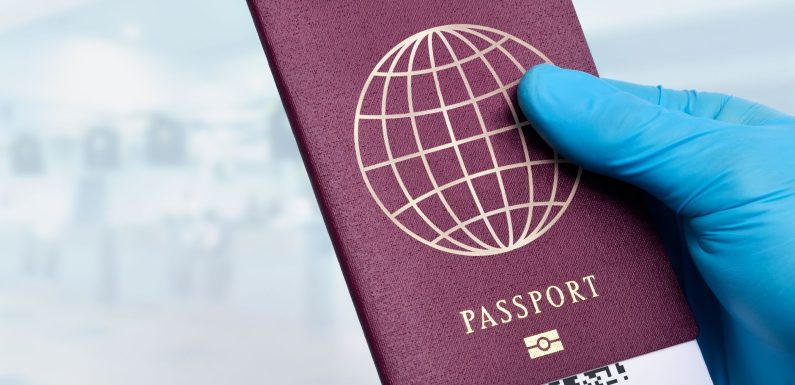
H-1B work permit extension has taken a hit as the Trump administration ends the 540-day automatic work permit extension for immigrants. This decision impacts many skilled workers in the U.S.
Overview of the H-1B visa
The H-1B visa program has been a cornerstone for skilled foreign workers seeking employment in the United States. Established to allow U.S. employers to temporarily employ foreign workers in specialty occupations, the visa is crucial for professionals in fields such as technology, engineering, and healthcare.
Historically, holders of the H-1B visa have enjoyed certain protections, including the ability to extend their work permits under specific conditions. However, recent changes have introduced significant challenges for these workers. The H-1B work permit extension process has become increasingly complicated, causing uncertainty for many visa holders and their families.
Under the previous administration, the automatic 540-day work permit extension was a lifeline for many H-1B workers, providing them with additional time to remain in the U.S. while their visa applications were processed. This policy was particularly beneficial for those facing delays or complications in their visa status. However, with its termination, workers now face the possibility of having to leave the country if their applications are not processed in a timely manner.
This shift has raised concerns among both employees and employers, as the loss of skilled labor could hinder the growth and innovation in various sectors. As the landscape of immigration policy continues to evolve, H-1B workers find themselves navigating a more challenging environment, making the future of the program uncertain.
Impact of the new policy
The recent decision by the Trump administration to eliminate the 540-day automatic extension for H-1B work permits has raised significant concerns among immigrant workers and advocates. This policy change is seen as another setback for those who rely on the H-1B visa to continue their employment in the United States.
Many workers are now faced with uncertainty regarding their legal status, as the removal of the automatic extension means they must navigate more complex renewal processes. The impact of this policy is likely to be felt across various sectors, particularly in technology and healthcare, where H-1B visa holders play a crucial role.
Workers affected by this change may experience:
- Job Insecurity: Without the automatic extension, many may find themselves at risk of losing their jobs if their applications for renewal are delayed.
- Increased Stress: The pressure to secure timely visa renewals can lead to heightened anxiety among workers and their families.
- Financial Consequences: The uncertainty surrounding their work permits could result in financial instability for many, impacting their ability to support themselves and their dependents.
As the landscape for H-1B work permit extensions shifts, immigrant communities are urged to stay informed and seek legal advice to understand their options and rights under the new regulations.
Reactions from immigrant communities
Reactions from immigrant communities regarding the recent decision to end the 540-day automatic work permit extension for H-1B workers have been overwhelmingly critical. Many advocates argue that this policy change represents yet another setback for individuals who rely on the H-1B work permit extension to secure their livelihoods in the United States.
Organizations supporting immigrant rights have voiced their concerns, emphasizing that this move could destabilize the lives of thousands of workers and their families. Maria Gonzalez, a spokesperson for the National Immigrant Coalition, stated, “This decision undermines the contributions of H-1B visa holders to the economy and puts them at risk of job loss and uncertainty.”
Community leaders have also expressed fears that the termination of the automatic extension will lead to increased stress among workers who are already facing challenges due to the pandemic. Raj Patel, an H-1B worker from India, shared, “We came to the U.S. with hopes of building a future, but now we feel that future is in jeopardy.”
Many in the immigrant community are calling for immediate legislative action to protect H-1B workers from such abrupt changes. They argue that stability in work permits is crucial for maintaining the diverse workforce that contributes significantly to various industries across the nation.
Legal implications for H-1B workers
The recent decision to end the 540-day automatic work permit extension for H-1B workers has raised numerous legal implications for those affected. With this policy change, many immigrants may find themselves in precarious situations regarding their employment status.
Legal experts warn that this abrupt shift could lead to an increase in unintended violations of immigration laws. As workers navigate the updated regulations, the risk of falling out of status rises significantly. Many H-1B workers depend on these extensions to maintain their positions in the workforce, and losing this buffer can create immediate challenges.
Moreover, the possibility of job loss due to visa issues can lead to a broader impact on industries reliant on skilled labor. Employers may also face legal consequences if they unknowingly employ workers whose permits have expired.
Advocates for immigrant rights argue that the termination of the automatic extension undermines the stability of the H-1B program. They emphasize that these changes not only jeopardize workers’ livelihoods but also impede the ability of companies to retain talent. As a result, many are calling for legal reforms that would safeguard the rights and statuses of H-1B workers.
In light of these developments, it is essential for H-1B workers to stay informed about their legal rights and options for obtaining an H-1B work permit extension.
Comparison with previous policies
The recent decision to end the 540-day automatic work permit extension for H-1B visa holders marks a significant shift from previous policies aimed at supporting immigrant workers. Under earlier regulations, the automatic extension provided a safety net, allowing workers to remain employed while navigating the complexities of visa renewals and transitions. This policy was particularly beneficial for those facing delays in their applications, as it helped to mitigate the uncertainties surrounding their employment status.
In contrast, the current administration’s stance on the H-1B work permit extension reflects a more stringent approach to immigration policy. Previously, extensions were granted more liberally, recognizing the contributions of skilled workers to the U.S. economy and the challenges they faced in securing permanent residency. This change has raised concerns about job security and the ability of skilled foreign workers to remain in the country, as many may now face a gap in employment during the renewal process.
Additionally, past administrations had emphasized the importance of retaining talent, especially in industries experiencing labor shortages. The shift away from supportive measures like the automatic extension could deter potential applicants and lead to a decline in the skilled workforce, impacting sectors reliant on H-1B workers.
As stakeholders analyze the implications of this policy shift, the long-term effects on both workers and the broader economy remain uncertain.
Future of H-1B visas
The recent decision to end the 540-day automatic work permit extension for H-1B visa holders has raised significant concerns regarding the future of H-1B visas in the United States. Many advocates argue that this change will lead to increased uncertainty for skilled workers who rely on the H-1B program to secure their employment in the country.
With the elimination of the extension, H-1B workers may face challenges in maintaining their legal status, especially as processing times for visa applications can be lengthy. This situation could potentially force many skilled professionals to leave the U.S., impacting industries that depend heavily on their expertise.
In addition, the decision has sparked debate among lawmakers and stakeholders who emphasize the need for reforms to ensure the H-1B visa program remains competitive and attractive for foreign talent. The following points summarize potential implications for the future of H-1B visas:
- Increased scrutiny: H-1B applications may undergo more rigorous evaluations, leading to delays.
- Job security: Workers may experience heightened anxiety about their employment status.
- Market impact: Industries reliant on H-1B workers could face labor shortages.
- Policy reforms: Calls for legislative changes may intensify as stakeholders seek to address these challenges.
As the landscape evolves, the future of the H-1B work permit extension remains uncertain, leaving many to navigate a complex and changing environment.
Advice for affected workers
For H-1B workers facing the recent changes in policy, it is crucial to understand the implications of the end of the automatic 540-day work permit extension. Affected workers should consider the following advice to navigate this challenging landscape:
- Consult an Immigration Attorney: Seeking legal guidance is essential. An experienced attorney can help evaluate individual circumstances and suggest appropriate action plans.
- Stay Informed: Regularly check updates on immigration policies and regulations related to the H-1B work permit extension. Knowledge of any changes can help workers respond promptly.
- Explore Alternative Options: Depending on personal situations, consider switching to a different visa type or seeking employment with employers willing to sponsor a green card.
- Document Everything: Keep thorough records of all employment-related documents, correspondence with employers, and previous visa applications. Proper documentation can be crucial for future applications or appeals.
- Network with Peers: Engaging with fellow H-1B workers can provide support and insights. Many workers may face similar challenges, and sharing experiences can lead to valuable resources.
- Prepare for Uncertainty: Understand that the current climate is unpredictable. It’s important to have contingency plans in place, whether for employment or immigration status.
By being proactive and informed, H-1B workers can better manage the challenges posed by the recent policy shifts.
The recent decision regarding the H-1B work permit extension has left many workers feeling uncertain about their future. Advocates argue that the H-1B work permit extension is crucial for retaining skilled talent in the country.
Photo by adrian vieriu on Pexels